


Stamping press monitoring
Stamping press monitoring that counts every stroke
A magnetic sensor on the press frame counts every stroke and shows when the press runs. The gaps between strokes stay out of your downtime, and every die change gets a reason.
Trusted by industry leaders










































































Any press
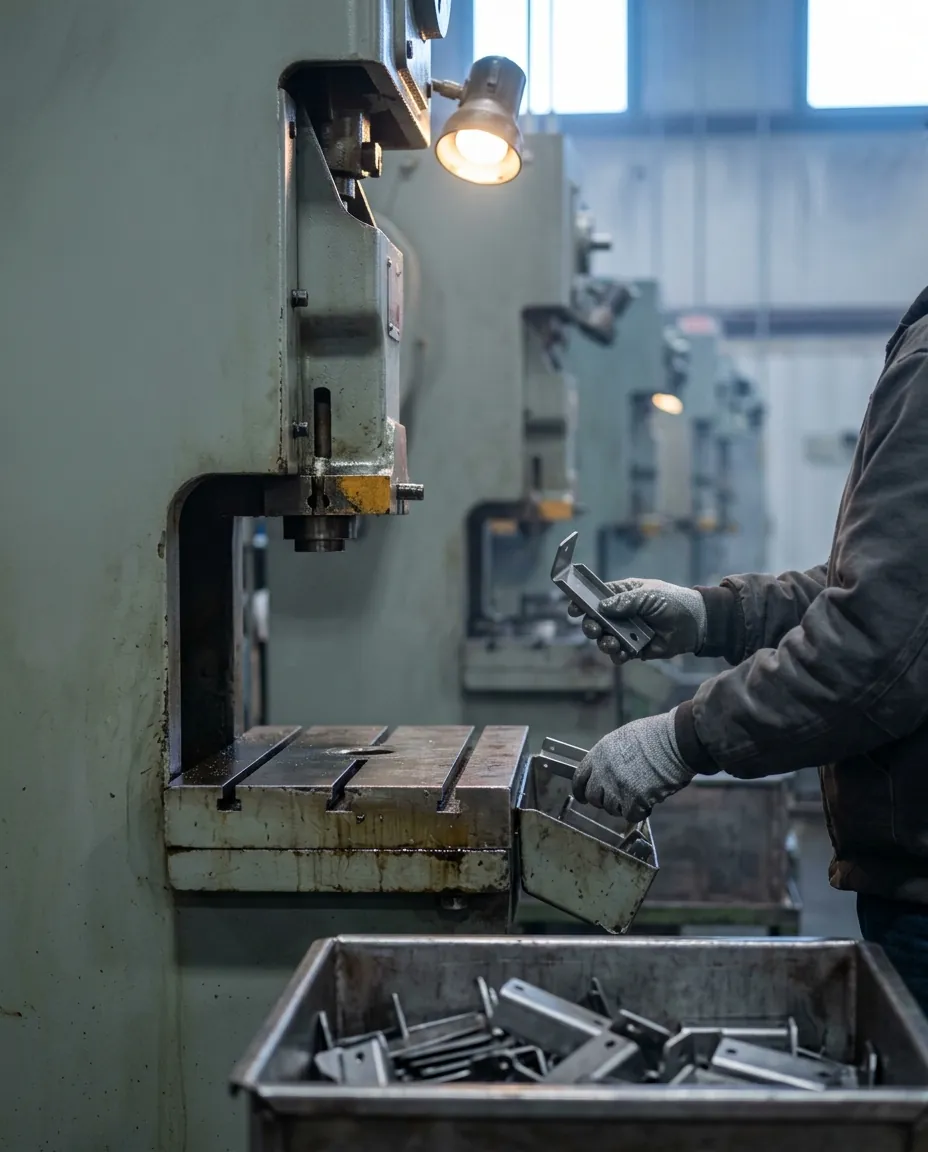
Every press on the floor, whatever its age
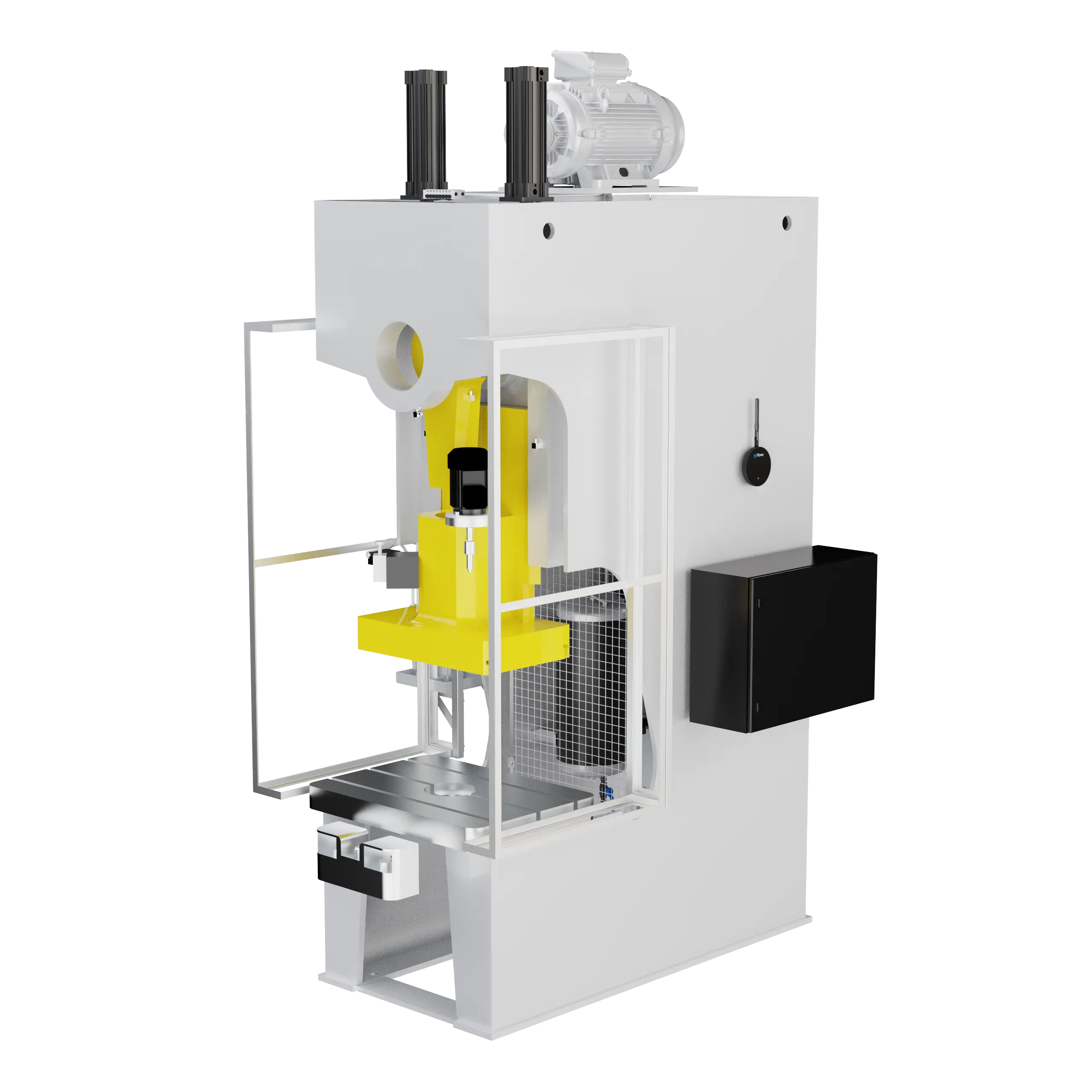
A SenseAi on the frame near the ram attaches magnetically in seconds and calibrates in under five minutes. No PLC, no tie-in to the press control, no network cable to the press: it connects over 2.4 GHz Wi-Fi or the IoTFlows 4G/LTE router.
A 1987 Bliss and a 2021 Stamtec report strokes, uptime and stops the same way, in one view across every brand.
Strokes and parts
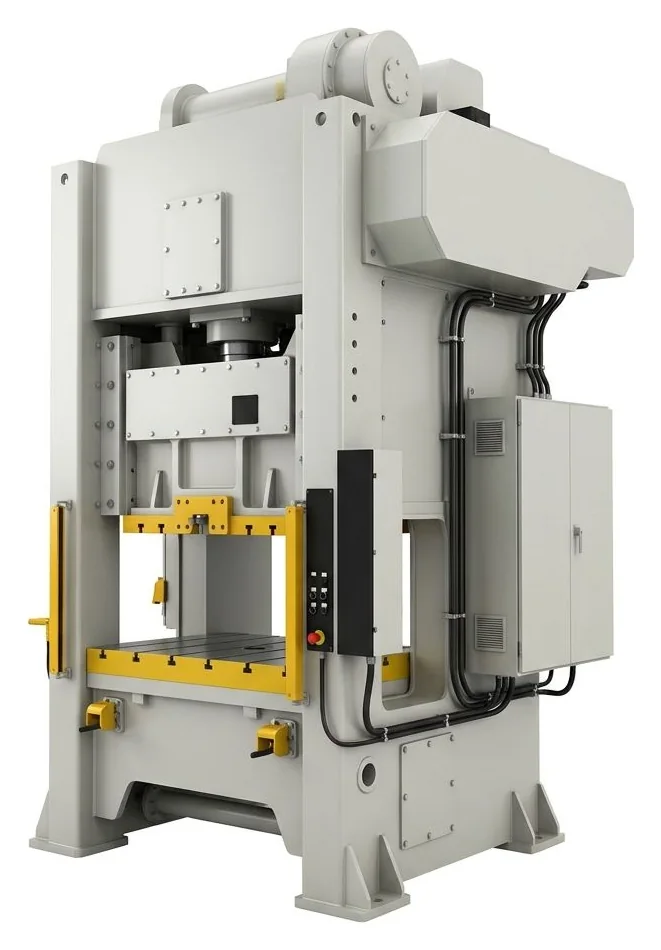
Every stroke counted, up to 120 a minute
Each stroke is a sharp hit the sensor sees on its own, so Discrete w/o Merge counts every one and merges nothing: two strokes a second apart stay two parts.
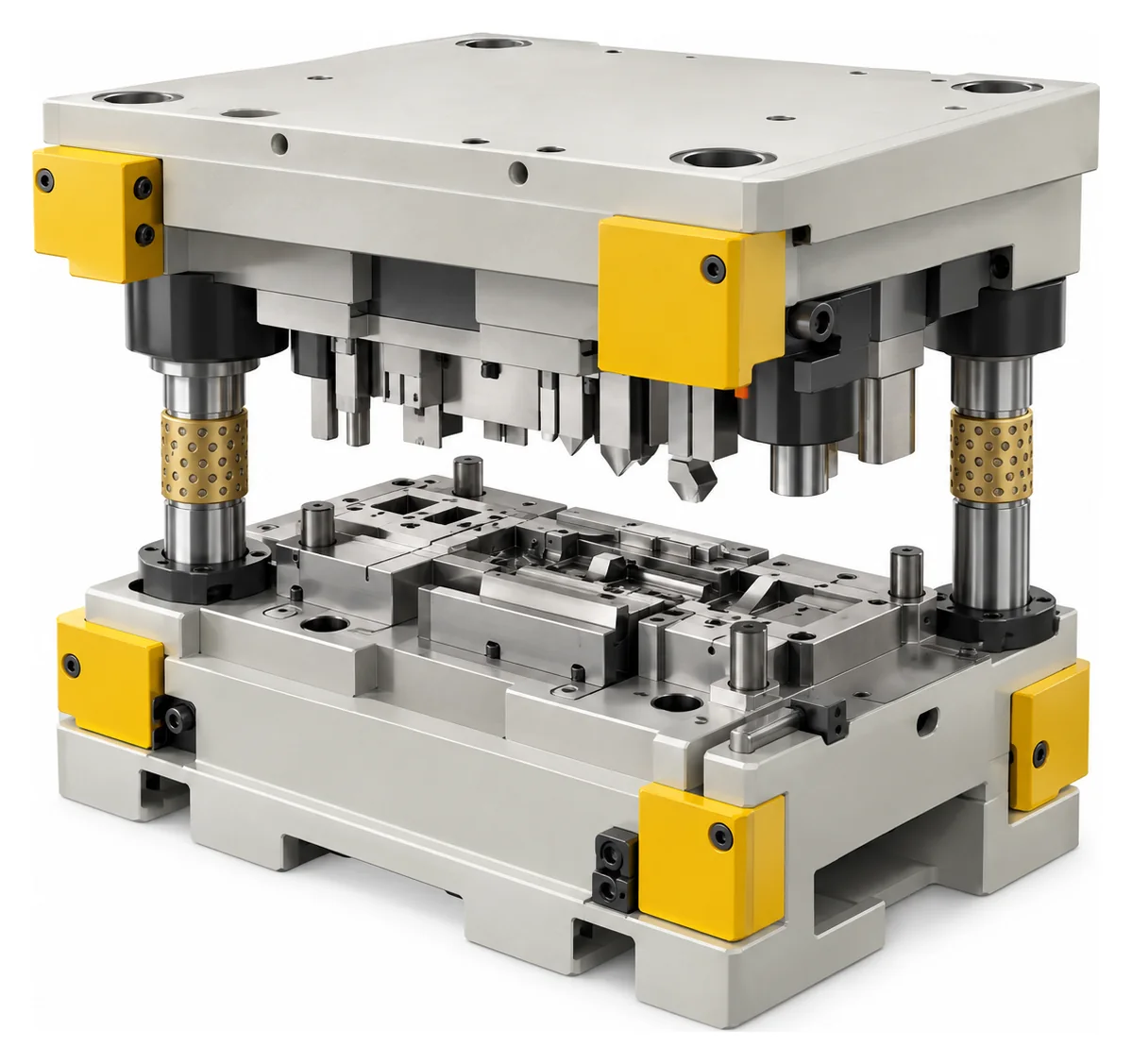
Set the parts per stroke once per die, so a two-out die counts two. Assign every die the press runs at once, and a die change needs nothing on the dashboard.
Short stops
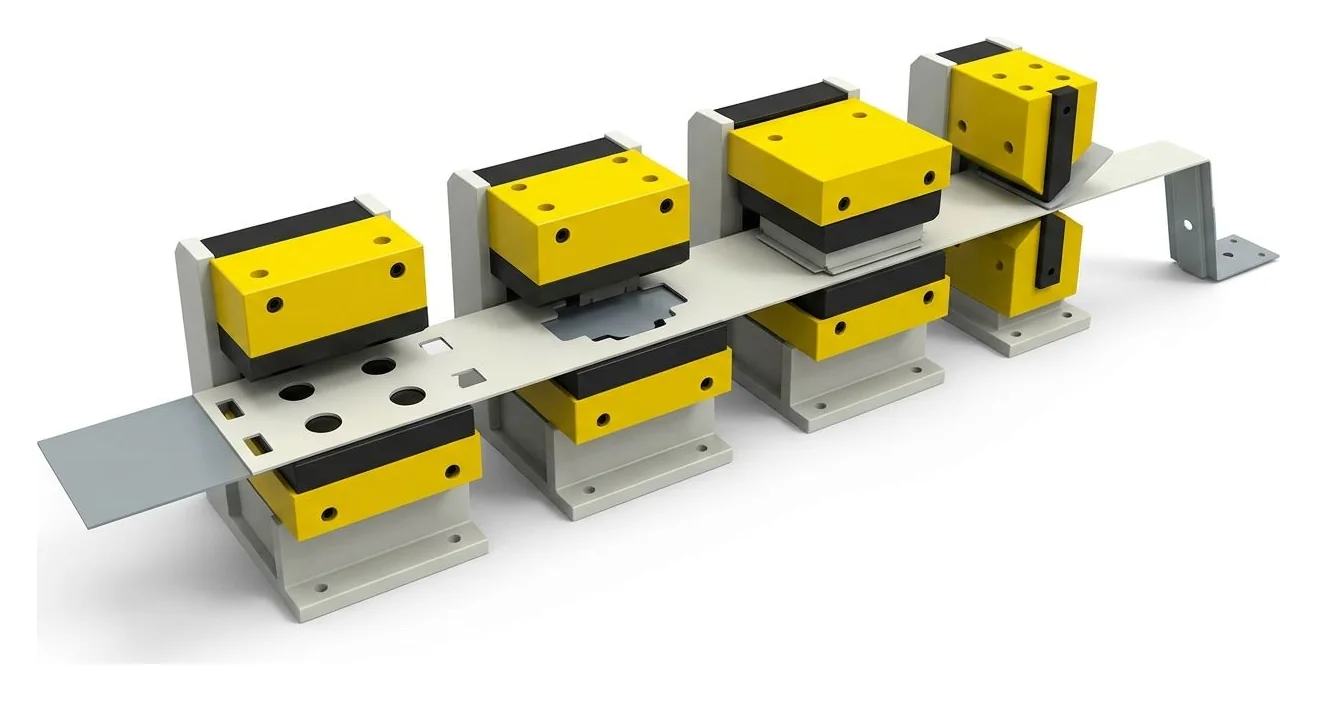
The gap between strokes is not downtime
A press pauses between strokes all shift. The Downtime Threshold turns any stop shorter than the minutes you set into runtime, so the record isn’t hundreds of one-minute rows.
It keeps only the stops that matter: a die change, a coil load, a misfeed that stopped the press.
Die changes
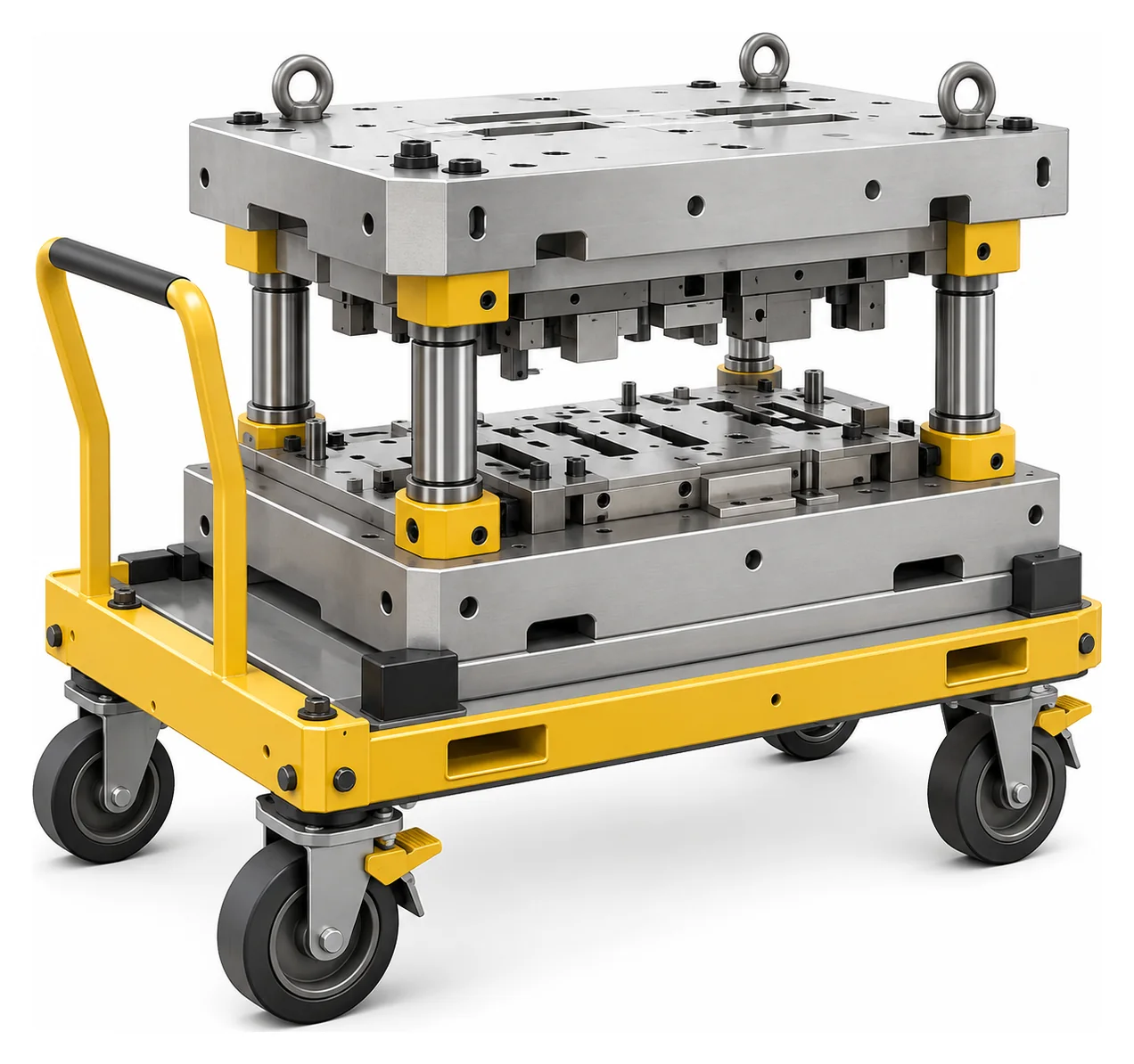
Die changes and coil loads, each on the chart
A die change is the longest stop on most presses. Operators put Die Change, Setup / Adjustment or Material Loading on the stop from the press or a phone, and routine changeovers classify themselves with a rule.
Die changes and coil loads stay separate, so the Pareto shows which one to shorten first, press by press.
Maintenance by count
Die maintenance on the hit count, not the calendar
A Maintain meter counts the press’s output toward a trigger point, such as a die sharpened every 150,000 hits. Your team gets an email at 85% and the work order opens at 100%.
Weekly clutch and brake inspections run as recurring work orders, each one kept on record.
Press control data
Add the press control when you want more
Your press control already knows the die, its stroke counter and why the press last stopped. On Enterprise, the IoTFlows edge device reads the controls you choose over EtherNet/IP, OPC UA and other protocols, and IoTFlows writes the driver when one is missing.
Those values sit beside the sensor’s data, and a die-protection stop can open a work order through the same event rules. A project takes one week to a month, priced by scope.
Customer Testimonials
2x machine utilization
SenseAi on its CNC machines, lasers and presses.
"SenseAi gave us eyes we never had before. Our team leaders can instantly see which machines are running, which are down, and identify issues immediately instead of discovering them hours later. That visibility transformed our ability to manage production."
20% more efficiency from optimized tooling
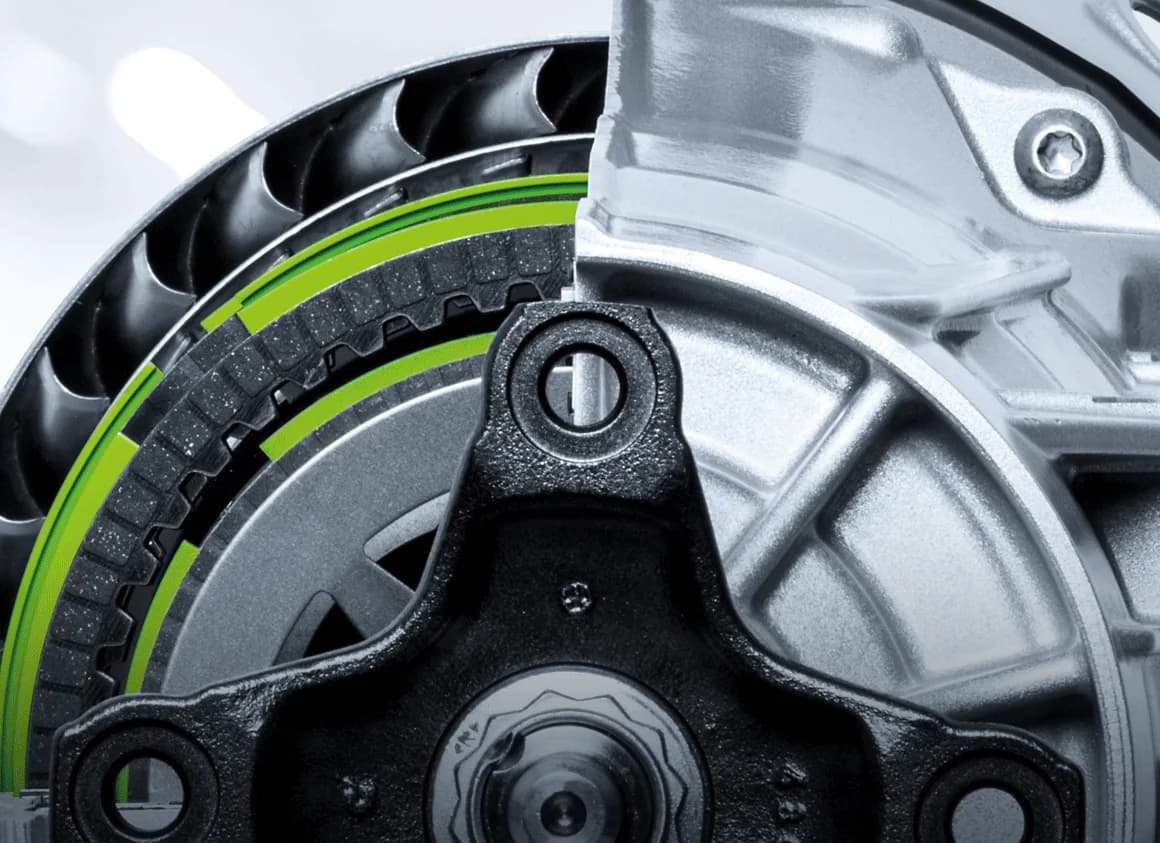
Retaining rings for car engines, from the coilers to the packing line.
"We love the entire IoTFlows platform. It has revolutionized our visibility into our operations, from the coilers to the ovens to the packing line."
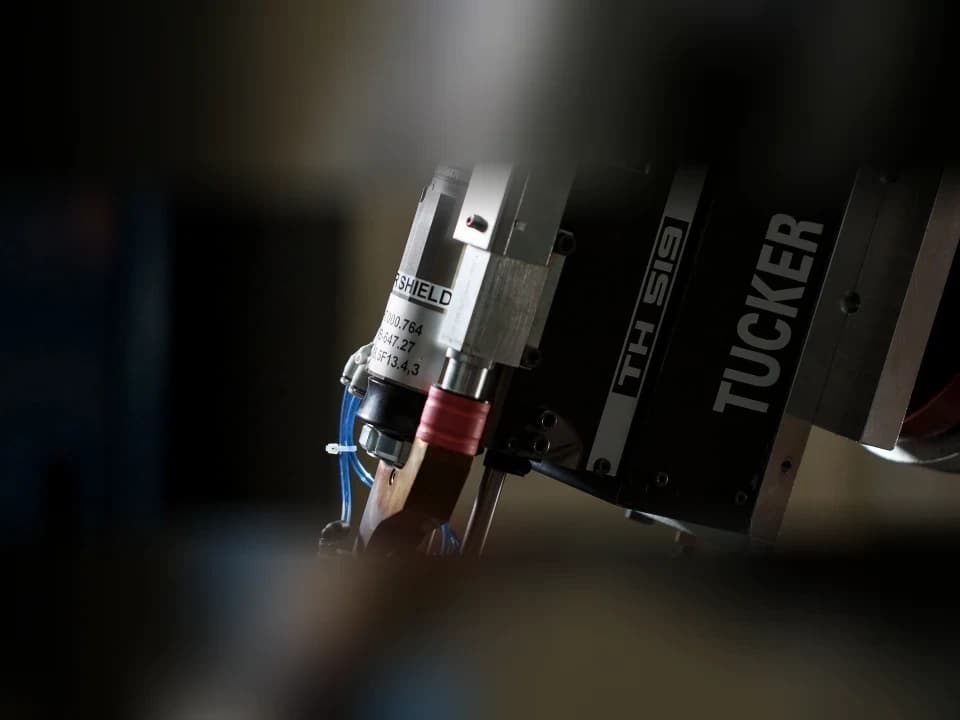
100% weld traceability
Every weld scored on a major automotive customer’s lines, every welding head flagged before quality drops.
"IoTFlows is one of the best platforms I have ever worked with."
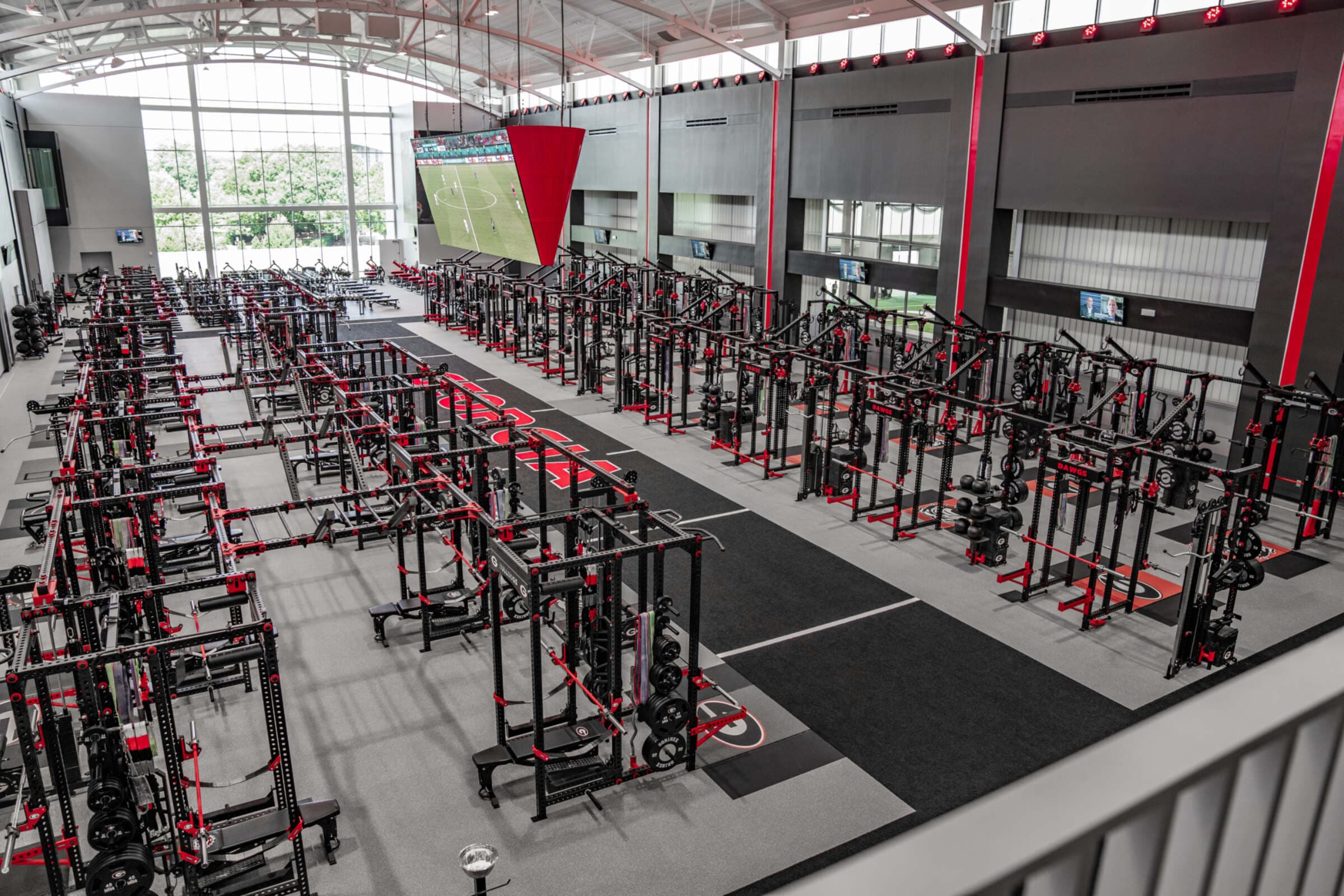
< 1 week from the box to monitored machines
87% of downtime now has a root cause, and resolution is 60% faster.
"The speed of implementation was remarkable. We went from limited visibility to complete operational transparency in less than a week. We’re now identifying inefficiencies we didn’t even know existed. IoTFlows has fundamentally changed how we approach manufacturing optimization."
Questions people ask
A SenseAi or SenseAi Embedded on each press, magnet-mounted on the frame near the ram, on 2.4 GHz Wi-Fi or the IoTFlows 4G/LTE router. From it: each press’s live running and stopped state; every stroke counted with Discrete w/o Merge at 10 to 120 strokes a minute, times the parts the die makes per stroke; a Downtime Threshold that keeps the gaps between strokes out of the downtime record; Die Change, Setup / Adjustment and Material Loading reasons, with rules that classify routine stops, ranked on a Pareto chart; uptime against a goal for each press; Maintain meters that open die maintenance on a hit count and recurring work orders for weekly inspections; and the same numbers on a TV, a tablet and a phone. On Enterprise, the IoTFlows edge device adds data from the press control.
Each stroke is a sharp impact the sensor sees on its own, so the operation runs the Discrete w/o Merge algorithm: it counts every burst and merges nothing, and two strokes a second apart stay two parts. No second sensor is needed. If a heavy press rings twice per stroke and the count runs at exactly double, switch the operation to Discrete Analysis, which merges the second ring back into the stroke. To validate, run the press for an hour or two and compare: a press at 60 strokes a minute for 60 minutes made 3,600 strokes, and within 2 to 3% is right.
Both. Set QTY/OP on each die’s operation to the parts one stroke makes. A progressive die carries a part through several stations and still finishes one part per stroke, so it is 1; a two-out die is 2. To count only parts that cleared the die, put a BeamTracker at the exit chute instead, which counts each part that breaks its beam.
Yes. SenseAi attaches magnetically in seconds and calibrates in under five minutes on the press frame and reads the stroke from the outside, so a 1980s mechanical press and a new one report strokes, uptime and stops the same way, across every brand. Nothing is wired into the press control, and no network cable runs to the press.
With the Downtime Threshold on the press’s Calibration tab, with Treat short downtimes as uptime switched on: any stop shorter than the threshold becomes runtime. Set it by stroke rate: 10 to 15 minutes at 60 to 120 strokes a minute, 5 to 10 minutes at 30 to 60, 3 to 5 minutes at 10 to 30, and 2 to 5 minutes on a hand-fed press. Start at the low end and raise it only if the record still fills with pauses nobody can act on.
As separate reasons. Create Die Change, Setup / Adjustment for the fine-tuning after the die is in, and Material Loading for coils. A die change typically runs 15 to 60 minutes and a coil load 5 to 10, so keep the Downtime Threshold at 5 minutes or less if you want coil loads on the record. Operators classify each stop at the press or on a phone, routine stops classify themselves with a rule, and after two to four weeks the Pareto chart shows what each one costs.
Yes. Create one operation per die, then check every die’s operation on the press’s Auto-Detect tab, which is multi-select. A die change then needs nothing on the dashboard, and each die’s output is reported on its own.
It depends on how the material reaches the die: 50 to 65% on a hand-fed press where the operator places every blank, 65 to 80% fed from a coil, and 80 to 90% with lights-out automation. Set each press’s goal from its own baseline plus 5 to 10%. Watch the stroke rate over time as well: a rate that drifts down points at tooling wear.
Yes, with Maintain. A meter counts the press’s parts toward a trigger point, for example a die sharpened every 150,000 hits. It can email at 85%, email at the trigger and open a work order at 100%, and a reset after the service starts the next cycle. Calendar work, such as the weekly clutch and brake inspection US rules call for on mechanical power presses, runs as a recurring work order, and each one keeps its history. Maintain starts at $500 per month.
Yes, on Enterprise. The IoTFlows edge device reads PLCs and controls over OPC UA, Modbus TCP, EtherNet/IP, Profinet, MQTT and other protocols, and IoTFlows writes the driver when one is missing. It reads only the controls you choose to connect. Values such as the press mode, the die, a stroke counter or the reason for the last stop sit beside the sensor’s data and feed the same event rules, so a control fault can alert people and open a work order. A project typically takes one week to a month and is priced by scope.
SenseAi is $149 and SenseAi Embedded $199 per press, bought once. The Pro plan is $119 per device per month billed monthly, less on annual and three-year contracts and from 10 devices, and 50 or more devices are quoted. Maintain starts at $500 per month. A pilot puts IoTFlows on 10 to 25 machines for four weeks with no commitment to buy.
Documentation
Want the detail? These guides walk through each feature step by step.
- Configure tracking for stamping and punch pressesDiscrete w/o Merge, one operation per die, validated by stroke count.
- Handle short stopsThe Downtime Threshold that keeps the gaps between strokes out.
- Manage downtime categoriesDie Change, Setup / Adjustment and Material Loading.
- Count runtime or parts with metersDie maintenance on a hit count, with a work order at 100%.
Count your first press this week
Start with 10 to 25 machines for four weeks, with no commitment to buy. A SenseAi goes on the presses you already run.